Padel serve rules: height, glass, fence and faults
Check what makes a padel serve legal, including contact height, service lines, glass, fence and net touches. Know when to replay or take a second serve.
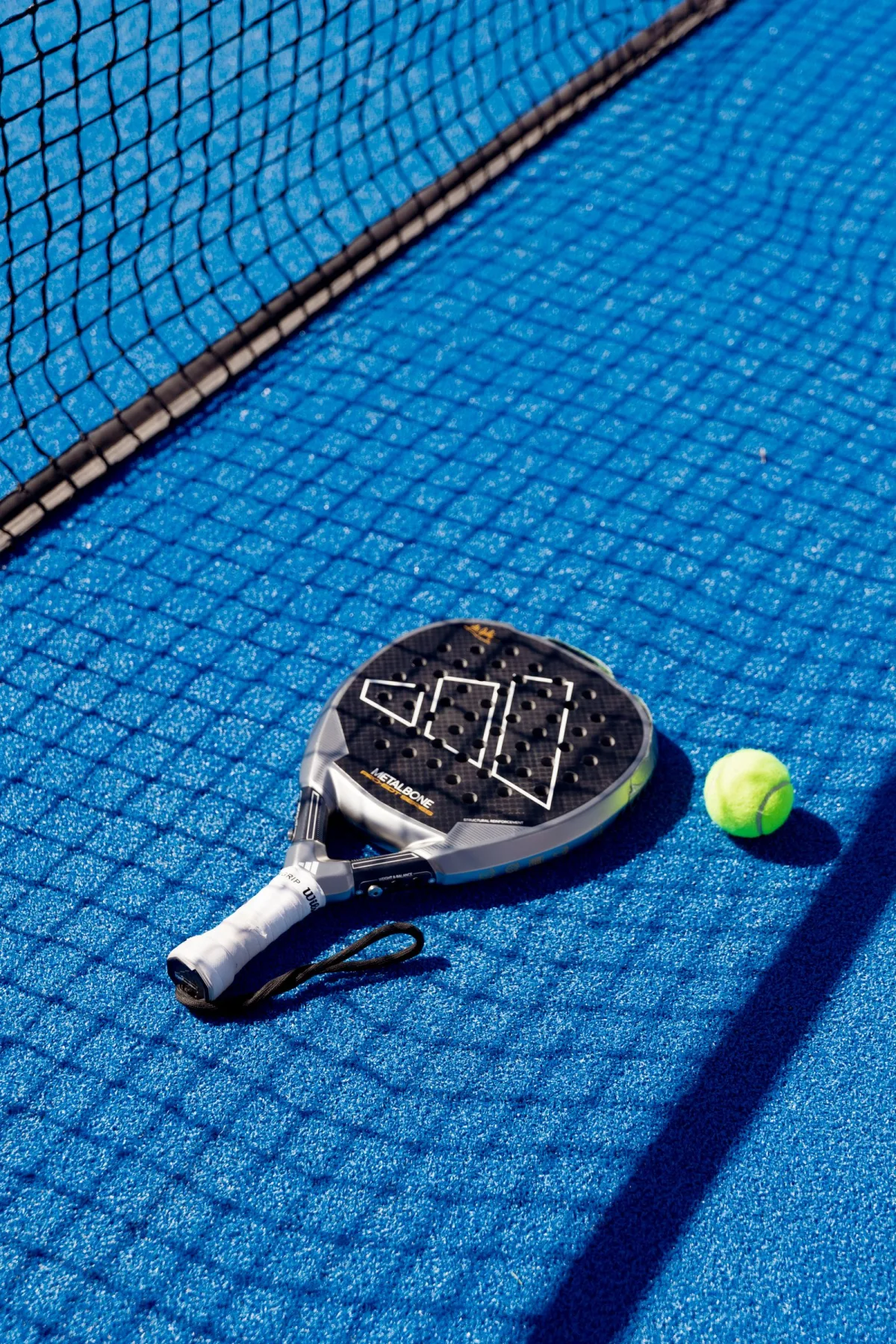
A padel serve starts with a bounce and an underarm hit into the opposite service box. A correct bounce followed by glass contact can stay in play. If the serve reaches the metal fence before its second bounce, it is a fault. The LTA's beginner rules explain the difference.
Watch the sequence, not the quality of the return. A serve can be awkward to receive and still be legal. Check where it lands and what it touches next, as well as the server's setup.
Check your setup before serving
FIP Rule 6 requires the bounce in the corresponding area behind your service line. The ball must stay behind that line and the imaginary centre-line extension until contact. Hit at or below your waist with at least one foot grounded. Keep your feet off those lines and out of your receiving box until contact. Start from the right, serve diagonally and alternate sides after each point.
Leave some room behind the line if your bounce tends to drift forward. Practising from the same starting position gives you one less detail to think about when the score gets close.
Can you serve below waist height?
Yes. FIP measures the height at contact. A lower strike is allowed; the bounce does not have to rise to your waist.
Choose a contact point you can repeat comfortably. Changing the bounce, stance and swing together makes it harder to tell which adjustment caused a fault.
What happens when the serve hits glass or fence?
The LTA guide distinguishes glass from cage contact and confirms that two faults lose the point. Compare these serves:
- The ball lands in the correct service box and hits the back glass. Play continues.
- It lands in the correct box and hits the side glass. That can be legal too.
- It lands correctly but touches the metal fence before the second bounce. It is a fault.
- It lands on a line bounding the correct service box. The line is good.
- It hits the glass before landing in the receiving box. It is a fault.
The Barnton Park club guide describes both glass cases. FIP Rule 7 sets the fence and landing rules.
Once the serve is in play, you can decide how to use the rebound. Our padel glass-defence guide covers that next shot.
When is a net touch a let?
Under FIP Rule 9, replay a serve that touches the net, lands in the correct box and avoids the fence before its second bounce. A net touch followed by the correct bounce and fence contact is a fault. A first-serve let repeats the first serve; on a second-serve let, repeat only the second.
The club's summary also explains the net-to-fence fault. Remember which attempt you were on before retrieving the ball.
Check a few serves before your next match
Ask a partner to watch practice serves from somewhere they can see your feet and contact height. Check the movement first, then the landing. If a serve looks questionable, name the detail you want to check. A foot on the line is easier to discuss than a serve that "looks wrong".
Use this checklist for the serve itself. For points, games and tie-breaks, our padel scoring guide covers the rest of the match.
Your next match
Ready to improve your game?
Download Racketly for iOS, Apple Watch or Android and start tracking your matches today.
Choose your Racketly download or read the match tracking guide.