Padel lob technique: height, depth and when to move forward
Hit a controlled padel lob, check where it lands and use the opponents' reply to decide whether to move forward together.
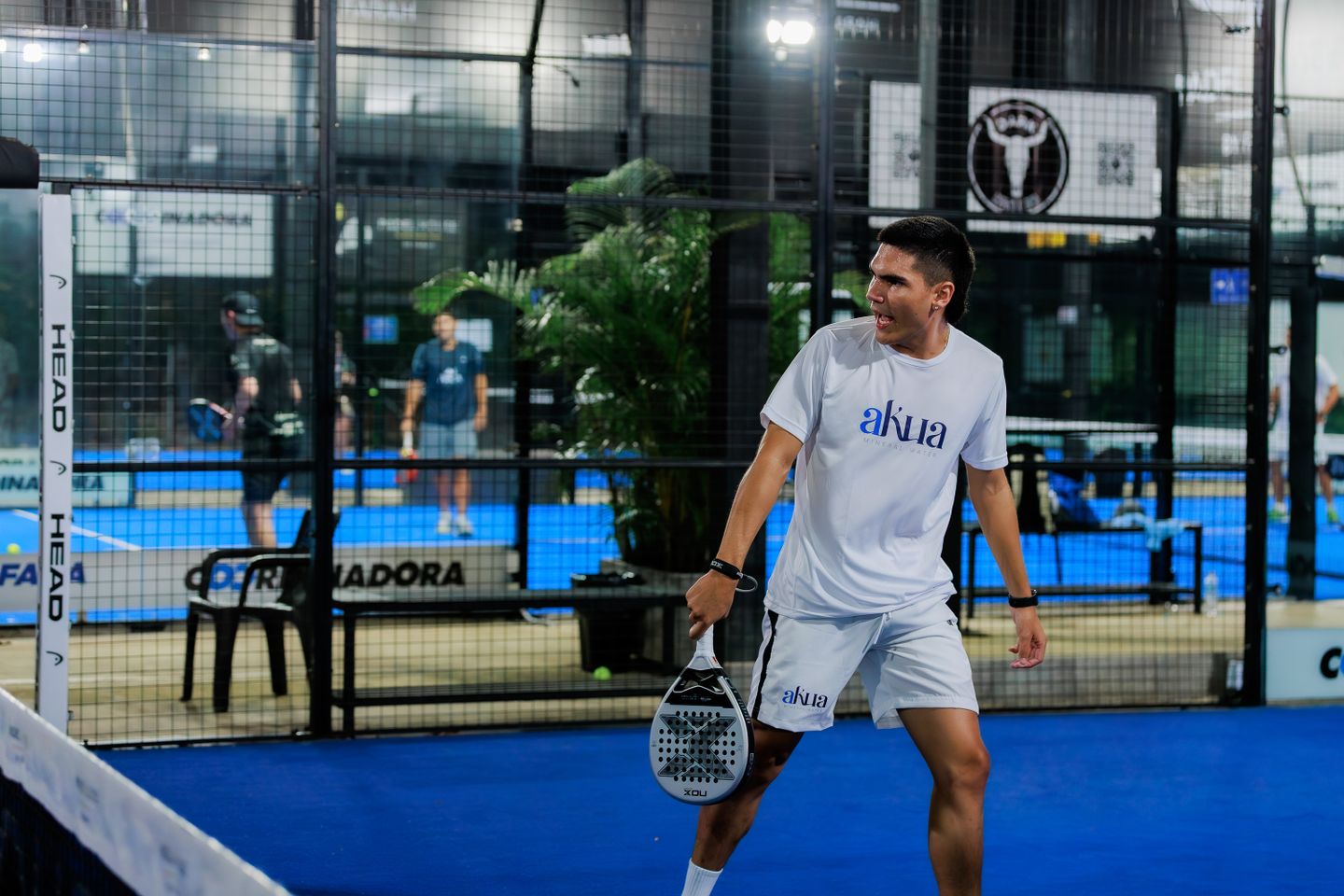
A padel lob is a high shot played over the opposing pair to push them back from the net and give you time to recover. The LTA's beginner guide recommends it as a way to counter net players.
Once you hit it, watch their response. If they turn to retrieve the ball, you may have room to advance with your partner. If they stay comfortable under it, prepare for their overhead.
How to hit a padel lob
In the LTA's lob lesson, coach Libby Fletcher recommends preparing early and sideways, with an open racket face. Swing from low to high, using your legs to push up through the ball and finishing high.
Start with a feed you can control. Change one part of the stroke at a time so you can tell which adjustment helps before trying it in a faster rally.
How high and deep should a lob go?
The LTA's target is a bounce beyond the service line and before the back glass, with enough height to clear the opponents. A cross-court lob has a longer path and more room for error.
Picture two practice balls. One climbs high but drops short, leaving an opponent ready for an overhead. The other clears the pair and bounces in your chosen deep area. Record them differently even if you happen to win both points.
Check the miss before changing your swing
UK Padel's lob guide warns that an under-hit lob can leave an easy attacking ball. After a miss, ask what happened:
- Did an opponent reach the ball comfortably before it bounced?
- Did it clear the pair but bounce short of your target?
- Did it bounce in the area you chose?
- Did it land deeper than you intended, or reach the back glass before bouncing?
Keep short and long misses separate in your notes, so you know which one you are trying to correct. Hitting harder after every miss is a poor adjustment if the ball is already going long.
When should you move forward?
The LTA beginner guide recommends practising the move forward after a deep shot and moving with your partner. Let the ball and the opponents' response guide your decision.
Before a practice rally, agree a simple plan. If the lob forces the other pair back and gives you room, look to advance together. If it sits up for an overhead, prepare to defend. A call such as "up" or "stay" can help you act on the same decision instead of leaving one player moving forward while the other waits at the back.
Practise the landing and the next decision
Try this suggested exercise with a partner feeding manageable balls:
- Choose a deep cross-court landing area with space before the back glass.
- Hit a small set of lobs. Record the first bounce as short, in the target or long. Note any ball that hits the glass first separately.
- Repeat on both forehand and backhand sides. Note when a difficult feed prevents a controlled swing.
- Add the opposing pair and play out the points. If an opponent takes the lob before it bounces, record "intercepted" instead of a landing. Note the reply and whether you could move forward together.
If several balls drop short, work on that miss before adding another target. Adjust the feed or the set size if you need more time to judge the result.
For help preparing after a rebound, see our padel glass-defense guide. Our bandeja and vibora comparison explains the overhead response you may face next.
Your next match
Ready to improve your game?
Download Racketly for iOS, Apple Watch or Android and start tracking your matches today.
Choose your Racketly download or read the match tracking guide.