Padel vs pickleball: rules, scoring and which to try
Compare padel and pickleball courts, equipment, serving and scoring, with rally examples and practical questions to ask before your first session.
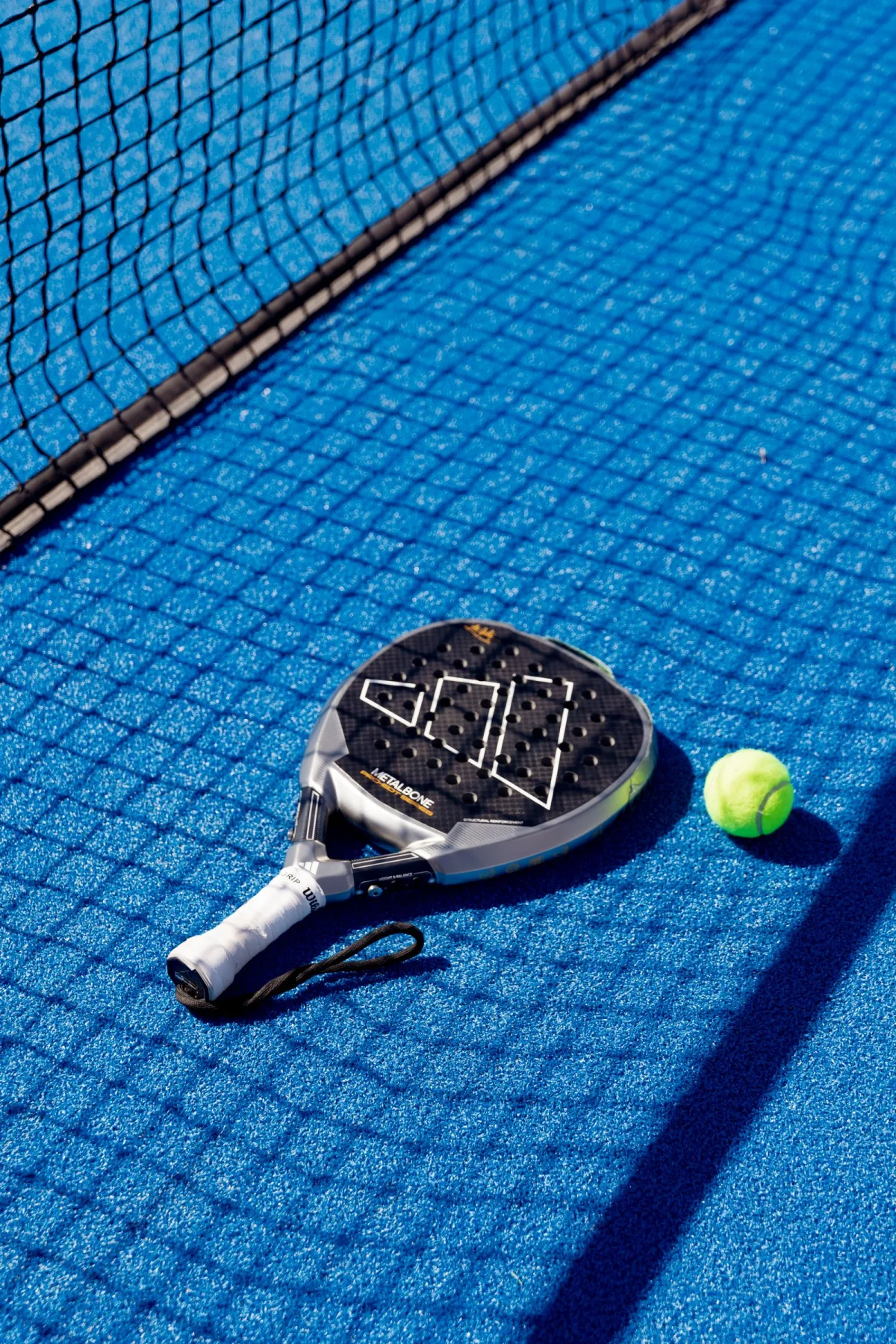
Padel and pickleball are different sports with different courts, balls and rules. Padel is normally played in pairs on an enclosed court, where rebounds off the walls can keep a rally alive. Pickleball uses an open court, a perforated plastic ball and a non-volley zone called the kitchen. You can play pickleball as singles or doubles.
For your first session, look at the kind of rally you want to learn and the beginner sessions you can actually attend. Court access and someone to play with matter when you are deciding what to book.
Padel vs pickleball at a glance
Court and equipment details follow the FIP rules and USA Pickleball's introduction. For scoring, compare padel games and sets with traditional side-out pickleball; other formats are explained below.
| Feature | Padel | Pickleball |
|---|---|---|
| Players | Standard doubles: four players | Singles or doubles |
| Court lines | 10 x 20 metres, enclosed | 6.10 x 13.41 metres (20 x 44 feet) |
| Hitting equipment | Perforated padel racket | Solid-faced pickleball paddle |
| Ball | Rubber padel ball | Perforated plastic ball |
| Walls | Legal rebounds can stay in play | Surrounding fences are not playable rebound walls |
| Start of a rally | Bounce serve, with a second attempt after a fault | Volley serve or drop serve, normally one attempt |
| Near the net | No kitchen zone | A kitchen extends 7 feet from each side of the net |
| Scoring | Points, games and sets | Usually games to 11, win by two; only servers score in side-out play |
Court size and the walls
A padel court measures 200 square metres inside its enclosure. A pickleball court's marked rectangle is about 81.8 square metres. These are playing-court measurements, not the total space a venue needs around a court. Ask the venue which court and session you are booking.
The boundary changes how you read a rally. LTA's padel rules allow you to let a valid ball bounce on your side, rebound from the glass and then return it before it bounces again. A shot that hits your opponents' wall before their court floor is out.
In pickleball, return the ball before its second bounce. A fence behind you cannot rescue the rally. That is an adjustment to make if you are used to waiting for a padel rebound.
Rackets, paddles and balls
A padel racket has holes in its hitting face. A pickleball paddle has a solid face, while the holes are in its plastic ball. Borrowing or hiring the right kit for your first session lets you try the sport before choosing what to buy.
FIP also requires the padel racket's safety cord around your wrist. Check that it is secure before play. USA Pickleball describes its equipment here; use the ball type your venue specifies.
Serving: the bounce is different
In padel, bounce the ball and strike it at or below waist height, diagonally into the service box. A first-service fault leaves a second serve. Our padel serve guide covers the feet, lines and rebound details.
Pickleball allows a volley serve, struck before the ball bounces, or a legal drop serve after a bounce. The volley serve has specific upward-motion, paddle-position and contact-height requirements. The drop serve has its own release rules. USA Pickleball's serve summary explains the distinction. You normally get one attempt, with replays only in situations allowed by the rules.
Two rally examples to remember
In padel, imagine a return landing near your back glass. Instead of intercepting it early, you can wait for the rebound and hit it before its second floor bounce. Our glass-defense guide explains how to practice that decision.
In standard pickleball, the receiver lets the serve bounce, then the serving side lets the return bounce. Volleys become available after those two opening bounces, subject to the kitchen rules. The 2026 USA Pickleball rulebook also prohibits a volley if your momentum takes you into the kitchen or its line. You may enter the kitchen to play a ball after it bounces.
If you are used to moving forward to volley the return in padel, wait for the required bounce when you switch to pickleball. Practice the first three shots slowly when switching sports.
Scoring: games and sets or a target score
Padel counts love, 15, 30, 40 within games, then games within sets. Check the deuce method: advantage, Golden Point and Star Point are different formats. Our padel scoring guide has examples so you can agree the format before starting.
Traditional side-out pickleball usually goes to 11, with a two-point winning margin. Only the serving team adds points. At 6-4, winning a rally as receivers leaves the score at 6-4 and changes who serves next. The 2026 rulebook also permits a provisional rally-scoring option, so ask which format the session uses.
Which should you try first?
Try padel if you want to learn wall rebounds and have a beginner doubles session nearby. Try pickleball if you want the option of singles as well as doubles, and the kitchen and opening-bounce rules appeal to you.
For a useful local comparison, ask both venues for the total price of a beginner session, equipment hire and any membership requirement. Compare the amount you would personally pay, not a quoted court price split between an unspecified number of players. Prices and access depend on the venue.
Before booking, ask whether you need a partner and whether an instructor will explain the rules. Check how the organiser groups beginners, especially if you hope to return to the same session.
If you can try both, keep a short note after each session about what confused you and whether you wanted another game. Use that experience to choose your next booking.
Your next match
Ready to improve your game?
Download Racketly for iOS, Apple Watch or Android and start tracking your matches today.
Choose your Racketly download or read the match tracking guide.