Padel chiquita technique: a drill for moving forward together
Practise the chiquita to the opponents' feet, read their reply and use a simple drill to decide when to move forward together.
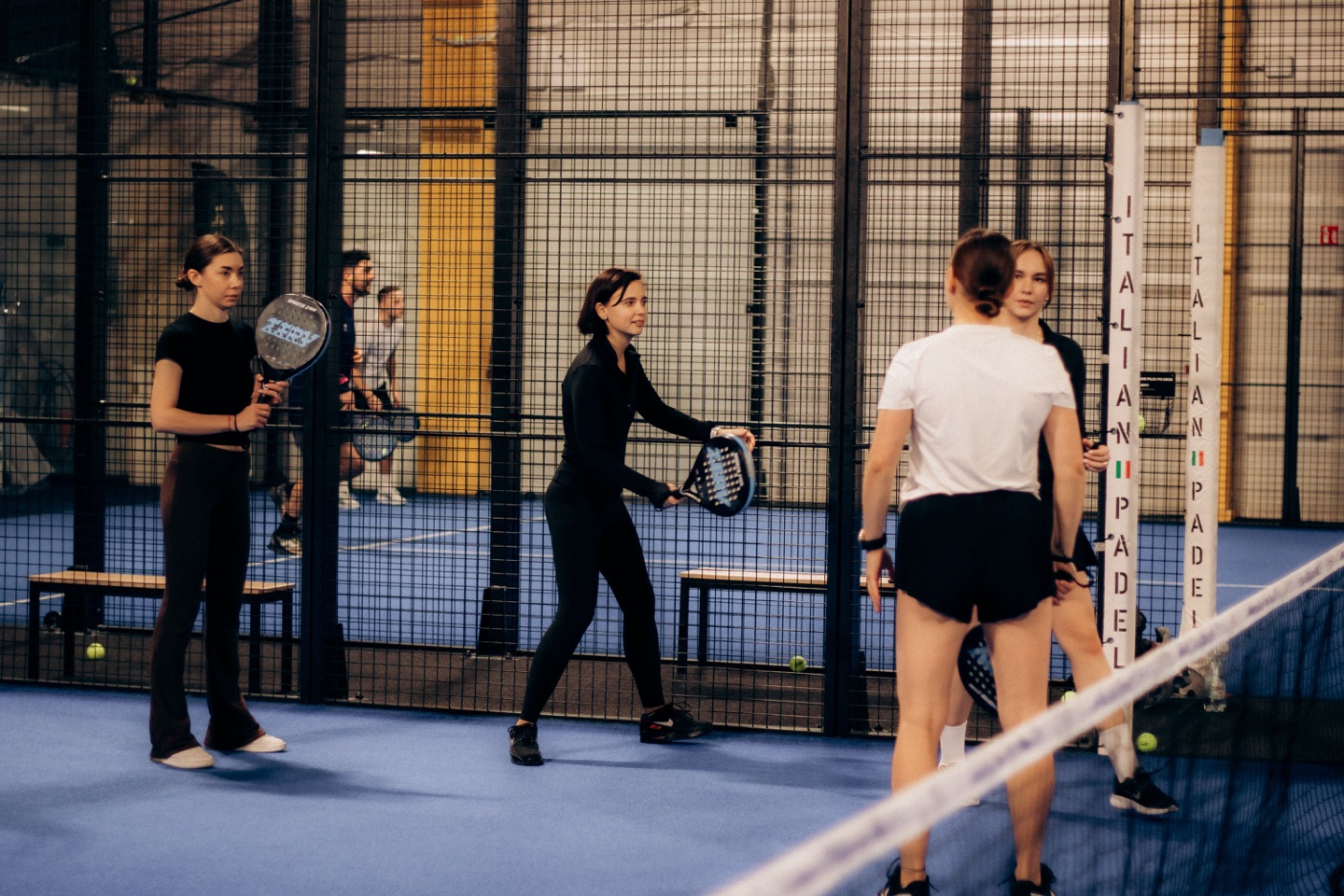
A padel chiquita is a controlled low shot towards the opponents' feet. You want to make them play up from a low contact point, giving you a chance to move forward. The Padel School's return lesson puts placement and control ahead of the type of spin.
Moving forward is a decision you make from the ball you have played. If it troubles the opponent, look to advance with your partner. If it leaves a comfortable attacking volley, hold or recover your position and prepare for the reply.
How to control a chiquita
Start with a ball you can reach comfortably. Aim towards the feet of a net player who has space in front of them, with enough control to keep the ball low. The Padel School's chiquita guide recommends controlled pace and warns against choosing the shot when opponents are already very close to the net.
A slower ball is not automatically a better one. The FFT's transition exercises, pages 302 to 305, ask players to keep the ball close above the net without playing too slowly. Judge the result at the opponent's racket: did they have to lift the ball, or could they volley comfortably?
When the feed is awkward, make it easier before changing your stroke. A feed you can barely reach tells you little about how well you can control this shot under manageable conditions.
When should both partners move forward?
Judge the likely contact while your ball travels, then watch the reply. A low volley can give you room to advance; a ball they can attack calls for preparation to defend. You do not need to reach the net in one run. Stop your advance and get balanced before each opposing contact, then reassess.
The FFT's paired transition exercise, page 309, stresses patience, stopping before the opposing volley and staying level with your partner. Those are coaching cues for judging the situation, rather than a rule that every chiquita should trigger an advance.
Agree a short call such as "up" or "stay" before practice. If one player sees an opening but the other is still recovering, both need to account for that gap before committing forward.
A feed-and-follow drill
The FFT describes its padel teaching guide as a resource for teachers working with children aged 6 to 12. This suggested exercise adapts its transition drills for adult recreational practice.
Use two players at first: one feeds from the net side, and the other practises the chiquita and the next movement.
- Start behind the service line. Ask the feeder to leave space between themselves and the net and send a manageable ball that bounces near the service line.
- Play a controlled chiquita towards the feeder's feet. Let them volley naturally so you can see whether your ball makes them play up.
- Read the contact and reply. Move forward when you have time and the ball troubles the feeder; otherwise hold or recover. Get balanced before their next contact and play the following ball.
- Reset and repeat on the other side. Swap roles so both players practise the shot and see what it feels like to receive it.
This setup follows the FFT's feed-and-follow format. Give the hitter more space if the exercise is too difficult. Keep the feed manageable while you work out whether the problem is the shot or the movement after it.
Add the other two players
Once the feed is manageable, try a cooperative four-player rally. Two players begin near the net and two in defence. Feed a ball that the defending pair can play after the glass, then look for a chiquita and a conditional advance together. Rotate roles.
The FFT's after-glass progressions, pages 308 and 309, use this setup to practise moving into the next exchange. Stay back when the chiquita fails to trouble the net pair. For the rebound itself, use our padel glass-defence guide.
Keep a short practice log
The following is a suggested observation log, not a validated scoring system. After a few attempts, note:
- Was the incoming ball manageable, or were you stretched or late?
- Did the opponent play up from a low contact, or receive a comfortable attacking ball?
- Did you and your partner advance together, hold or recover?
- Were you balanced and ready when the opponent played the next ball?
A hypothetical entry might read: "Manageable forehand feed. Opponent lifted the reply. I moved forward, but my partner stayed back. I was still running at the next volley." That entry gives the pair a movement problem to practise even though the chiquita produced the intended reply.
Keep the point result separate. Winning a rally does not tell you whether the shot or the decision was sound. Pick one issue from the notes, agree what to change and repeat the same feed before making the exercise harder.
Chiquita or lob?
The chiquita looks for a low reply in front of the net pair. A lob takes a higher route over them. On the return, The Padel School suggests a high lob when a chiquita is too difficult or the server closes the net aggressively.
Use our padel lob technique guide to practise that alternative. Begin your next chiquita session with the manageable feed. Once you can read the reply, bring in your partner and practise the decision together.
Your next match
Ready to improve your game?
Download Racketly for iOS, Apple Watch or Android and start tracking your matches today.
Choose your Racketly download or read the match tracking guide.