Tennis doubles hand signals: stay, poach and serve direction
Agree serve direction, stay or poach, and who covers the open space. A practical hand-signal guide for tennis doubles partners.
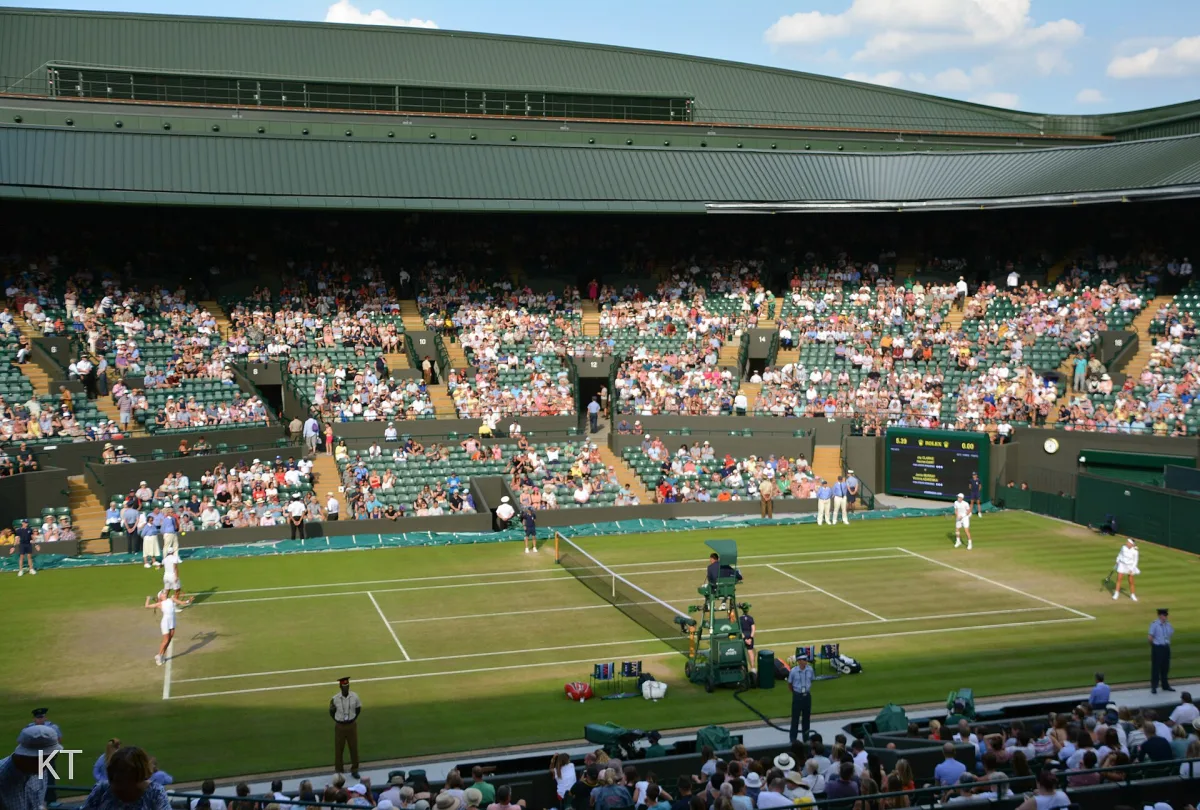
Tennis doubles hand signals help the serving pair agree where the serve will go and whether the net player will stay or cross. The USTA coaching manual describes signals for serve direction and for the server's partner to poach or stay.
Agree the code with your partner first. These signals are shorthand for a plan, and both players need to read them the same way.
Open hand or closed fist?
The LTA's hand-signal guide describes these common movement cues:
- Open hand: the net player plans to cross and intercept the return. This is a poach.
- Closed fist: the net player plans to stay on their side.
After a stay signal, remain ready for the return and move with the play. The signal tells the server what you intend to do; the ball may force you to adjust.
Signal the serve direction first
The LTA describes a direction signal followed by a movement signal. Targets include down the T, the middle of the service box and out wide, indicated with fingers or a thumb.
Before playing, show each other your sign for each target. Check it from both the deuce and ad sides. A new partner may read a pointing thumb differently from you.
Include the second serve in the conversation. In USTA Texas's advice for new doubles partners, Brandi Bratek recommends sharing first- and second-serve targets as well as poach intentions. If the plan changes for a second serve, settle that before the point starts.
Confirm who covers the space
LTA coach Louis Cayer distinguishes an agreed poach from one made by reaction or anticipation. Planning the poach means the server knows to cover if the return goes down the line.
Suppose you agree a T serve and a crossing net player. Before serving, confirm that the server will cover the space the net player leaves. The server can acknowledge the plan or ask to change it. If either player is unsure, have a brief conversation before serving.
Keep reading the ball once the point begins, and adjust if the return does not follow the pattern you expected.
Rehearse the code before a match
Try this exercise with a server, their net partner and a returner:
- The net player signals the target, then stay or poach.
- The server says the plan aloud before serving so both players can check it.
- Serve at a comfortable practice pace and play the return, including the server's cover.
- Repeat from the other service side, then swap roles.
Use this as a suggested rehearsal. Count misunderstandings as well as points won. If the serve and net movement keep surprising one another, simplify the code and repeat before adding options.
Our singles-versus-doubles strategy guide covers the broader tactical differences. For who serves next, see the separate doubles tiebreak serving-order guide.
Your next match
Ready to improve your game?
Download Racketly for iOS, Apple Watch or Android and start tracking your matches today.
Choose your Racketly download or read the match tracking guide.